Article
How Real-World Affiliations Unlock More Value from Data and Analytics
Affiliations data is foundational for how commercial, medical, and analytics teams understand the market.
By Ryan Sowers
Affiliations data is foundational for how commercial, medical, and analytics teams understand the market. Effective target lists, field plans, segmentation models, account strategies, and AI recommendations all depend on data that reflects where and when care actually happened.
When affiliations lag behind reality, even by a few days, the downstream impact can be significant: misallocated territories, inefficient field deployment, muddled patient-volume rollups, inaccurate market-share calculations, and AI models trained on an outdated picture of the market.
Triangulation, validation, and continuous monitoring across multiple data sources — claims, public data, and scraped data — offer a clearer, more current view of where patients are seen.
Why a diversified approach matters
Each type of data used to build affiliations offers important insights — but also unique limitations. Claims, public data, and scraped data each have their strengths and weaknesses. Rather than relying on any single source, a diversified approach creates a more complete picture of how healthcare is delivered.
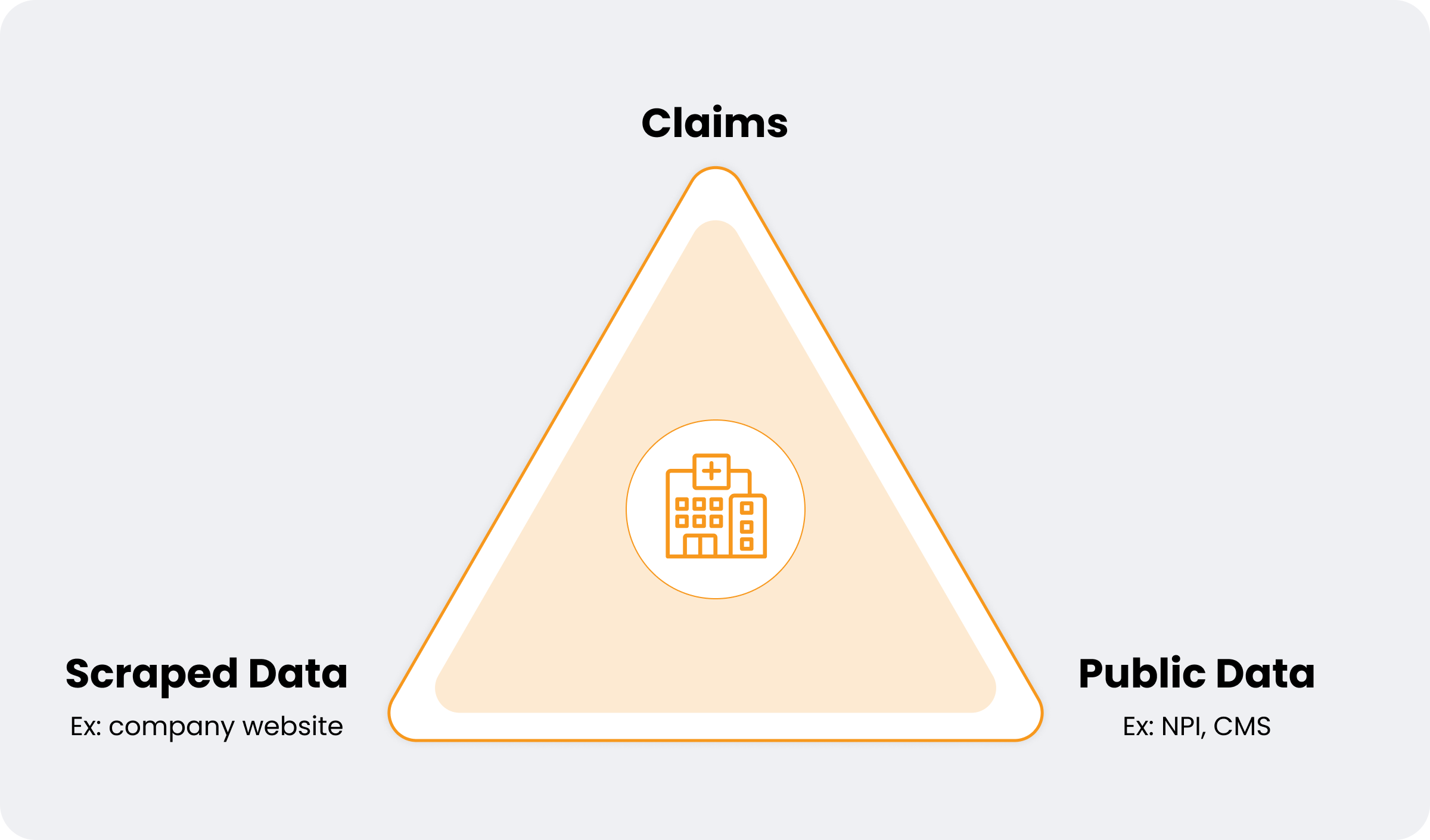
Claims: an essential signal of real-world activity
Claims data captures the clearest evidence of where and when care took place. Each claim links an HCP to the facility where a patient was treated, making it a powerful grounding source for affiliation decisions.
Claims also have pitfalls. Sometimes they contain granular subfacility information that must be mapped correctly to the right hospitals or systems. And because final claims data lags up to 45 days after care delivery, there is a gap in visibility for certain providers. Pinpointing when claims data is mature enough to determine HCP-HCO relationships is essential to using it correctly.
Public datasets: authoritative and foundational, but slow-moving
On their own, public datasets provide breadth but not always recency. Public sources such as the NPI registry or CMS datasets aren’t updated at the pace of real-world changes. Physicians move, practices merge, and locations open or close in the time between public releases, creating gaps in accuracy.
Scraped data: broad coverage with structural challenges
Web-scraped data captures facility lists, provider rosters, and organizational relationships directly from health-system websites. It is often the only way to find newly announced clinic openings or emerging practice structures.
However, scraped data is unstructured by nature. Without a strong schema and rigorous validation, it is easy to misinterpret or miss changes altogether. At Veeva, we’ve seen how entire facilities can be missed because of gaps in scrape frequency and schema alignment.
Each source plays a role. But only in combination do they create a reliable, real-world picture of affiliations.
Accurate, real-world affiliations strengthen commercial, medical, and analytics work
When affiliations reflect where care actually occurs, every downstream workflow — field execution, analytics, operations, and AI — becomes more reliable and effective.
Field teams spend more time engaging HCPs
Up-to-date affiliations help field teams plan their days with confidence. When the data reflects where HCPs actively practice:
- Reps arrive at the correct locations more consistently.
- Retired or relocated HCPs fall off call lists quickly.
- Schedules stay on track with less wasted effort.
- More time is available for meaningful HCP engagement.
Accurate affiliations create a tighter connection between what reps see in CRM and what they experience in the field, improving productivity and trust in the data.
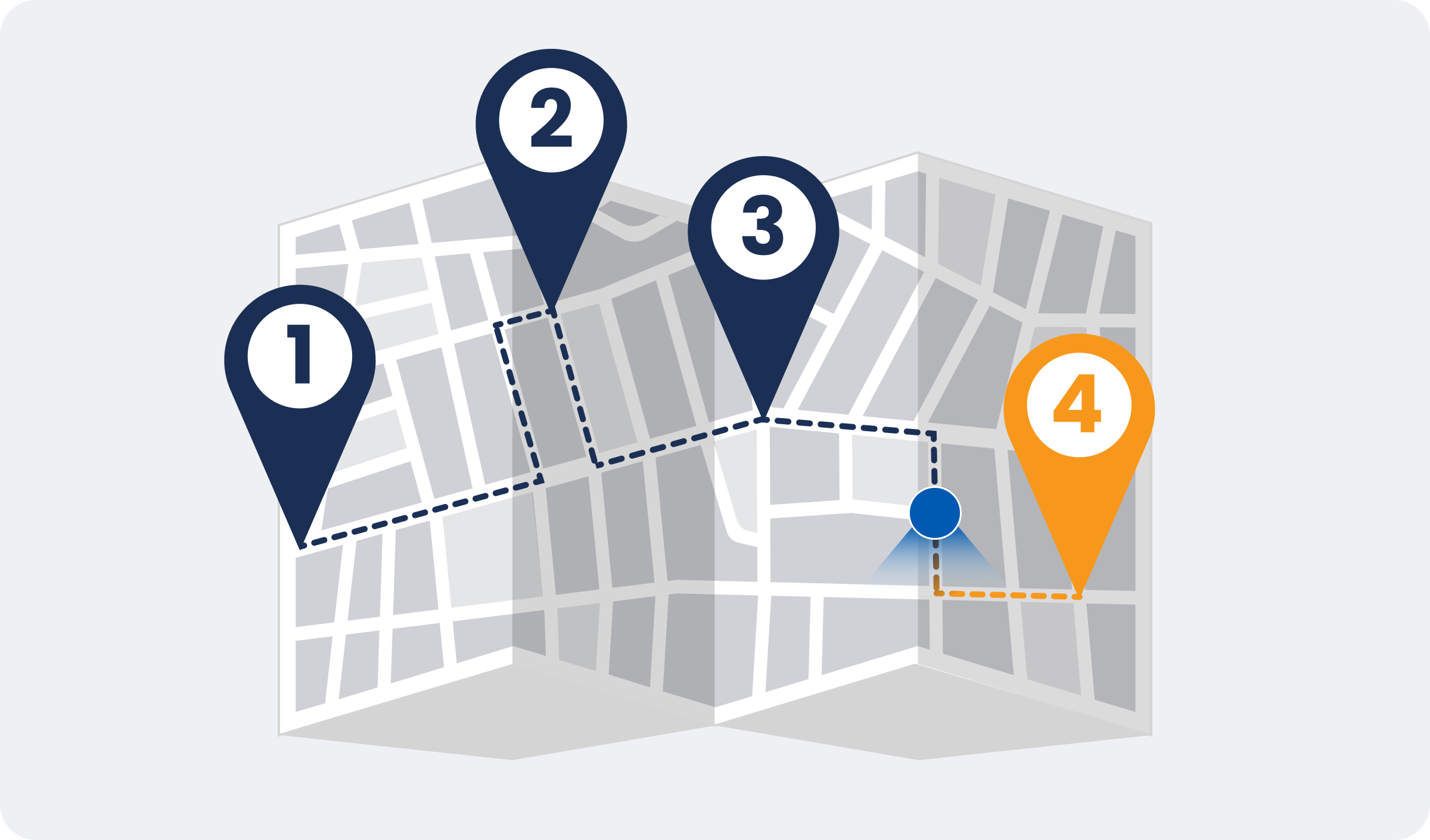
Patient-volume rollups better reflect real opportunity
Affiliations determine how patient volume aggregates to facilities and health systems. When relationships are captured accurately:
- High-volume facilities rise to the top where they belong.
- Health-system strategies incorporate all relevant sites.
- Opportunity sizing yields more consistent and reliable results.
Accurate affiliations help commercial teams focus resources on the highest-potential accounts, driving greater sales productivity and revenue growth.
Territory design becomes more balanced and predictable
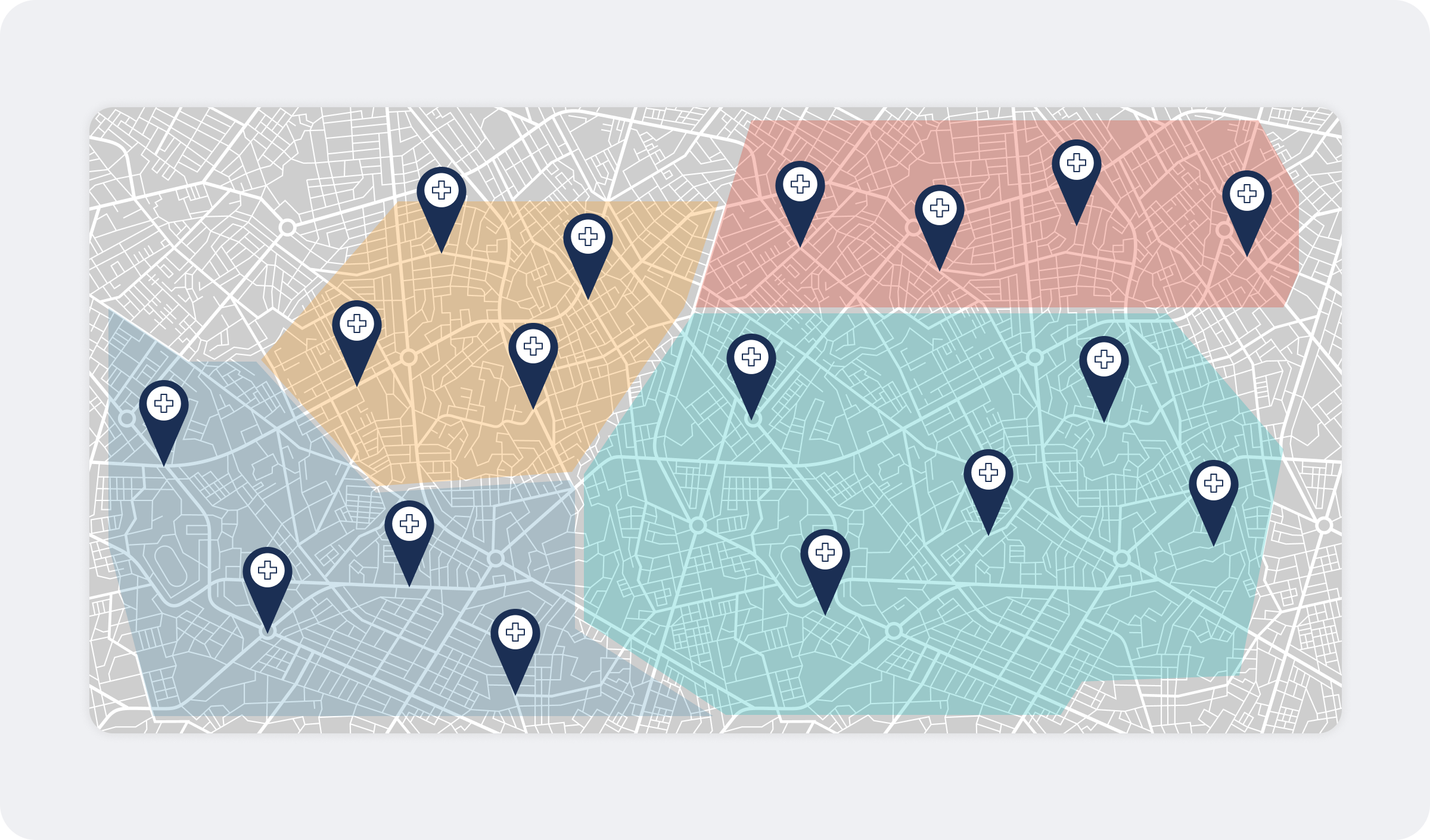
Affiliations drive how patient-level activity maps to ZIP codes, facilities, and health systems — data that underpins territory planning. When affiliations are correct:
- Territories align more closely with true patient opportunity.
- Field deployment reflects actual clinical volume.
- Workload distributes more equitably across regions.
- Strategic adjustments have a more stable foundation.
The result is a territory model anchored in real-world care delivery rather than lagging or incomplete location data.
Analytics teams gain clearer insight and stronger reconciliation
Analytics teams frequently compare internal sales trends with claims-based estimates to understand market share, prescribing behavior, and access dynamics. Accurate affiliations help ensure:
- Patient volume rolls up to the right sites.
- Claims comparisons align more cleanly with sales data.
- Market share calculations are more repeatable and dependable.
- Analysts spend less time reconciling discrepancies.
Cross-checked affiliations create a clearer comparison between internal performance and external market data.
AI models perform better with cleaner, real-world context
AI systems depend on strong structural signals — many of which come from affiliations. When affiliations are current and comprehensive, AI models learn from the right context:
- HCP–facility relationships are accurately represented.
- Sites of care map correctly to hospitals, clinics, and systems.
- High-value locations and care patterns are easier to surface.
- Recommendations reflect real clinical behavior.
A stronger data foundation improves the relevance, reliability, and adoption of AI insights across commercial and medical teams.
How to achieve a clearer, near-real-time view of U.S. healthcare
By layering claims, public datasets, scraped information, and continuous validation, organizations gain a more dynamic and accurate picture of how care is delivered today. This diversified approach helps:
- Reflect real-world care patterns with greater precision
- Reduce the lag between market shifts and data updates
- Build confidence across downstream analytics and AI
- Create a more resilient data foundation as healthcare continues to evolve
Triangulating signals from multiple sources, and understanding the role each source plays, builds a more reliable data foundation for commercial, medical, and analytics execution.
Veeva OpenData is building accurate, real-world affiliations through claims-based scoring, agentic curation, enhanced research, and primary affiliation intelligence.
Learn more about OpenData’s affiliations enhancements and what they mean for your team at Commercial Summit in Boston May 19-20.
